Jack's Jungle Journey Puzzle Game
Reviews
Jack's Jungle Journey Puzzle Game offers a non-violent take on the adventure genre. Players guide Jack across a jungle island, collecting food and shelter materials while solving navigation puzzles. The point-and-click controls and visual clues make it accessible to beginners and younger players. Its main strength is the relaxed, curiosity-driven pace. However, the lack of specified difficulty settings or platform details may leave some players wanting more information before trying it.
Description
Survival and Resource Gathering
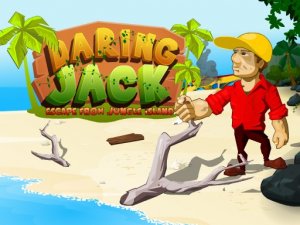
After a crash landing on a jungle island, Jack must find a way home. The only hope is an old boat house, but the route is hidden. Your job is to guide Jack through the terrain, gathering essential items such as fruits for food and leaves for shelter. These supplies are not optional—they determine whether Jack can survive the journey. The game encourages careful observation: items are tucked away in different areas, and missing them can leave you unprepared for the final escape.
Navigation and Puzzle Solving
Movement is handled with simple point-and-click or keyboard controls, making the game accessible to beginners. As you explore, visual clues in the environment point toward the correct path. Hazards like steep cliffs and wild animals block the way, but they can be avoided by choosing safer routes. The challenge lies in reading these clues and planning your route, not in reflexes. Each area presents a small puzzle: which path is safe, which items are needed, and how to reach the boat house without running out of supplies.
Family-Friendly Design
Jack's Jungle Journey Puzzle Game contains no violence or inappropriate content, making it suitable for players of all ages. The vibrant jungle scenery and gentle pacing create a relaxed atmosphere. Because there are no time limits or combat, players can move at their own speed. The game rewards patience and curiosity over speed, and its simple controls mean even young players can take part without frustration.






Editorial Notes