Phantom Hero: Time Quest Platformer
Reviews
Phantom Hero: Time Quest Platformer succeeds by making its core mechanics the star. The three ghost abilities are simple to understand but create satisfying puzzles when combined. Level design respects the player's intelligence, introducing new challenges without overwhelming. The art style is charming, and the lack of punishing penalties encourages experimentation. While the story is light, the gameplay loop remains engaging throughout. It is a solid choice for families and platformer fans seeking a non-violent, skill-based experience.
Description
Core Gameplay Loop
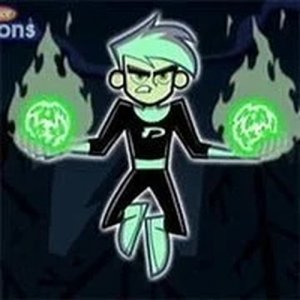
Players control a young protagonist who can switch between a normal form and a spectral form. The spectral form grants access to three distinct abilities: flight for reaching high platforms, invisibility for bypassing certain obstacles, and a ranged energy attack for interacting with objects and enemies. Levels are designed around these powers, requiring players to switch between forms and abilities at the right moments. The game emphasizes timing and observation rather than speed or reflexes.
Level Design and Setting
The adventure unfolds across two main environments: a suburban town with school buildings, parks, and residential areas, and a surreal dimension filled with floating platforms and strange architecture. Each area presents unique platforming challenges. The town levels focus on vertical movement and navigating tight spaces, while the otherworldly stages feature larger gaps and more complex aerial navigation. Hidden collectibles encourage exploration off the main path.
Ability Mastery and Progression
Each ghost power has specific uses. Flight allows sustained hovering but drains energy over time. Invisibility lets players pass certain barriers unnoticed but prevents attacking. The energy blast can activate switches and defeat spectral enemies. As players advance, they encounter situations that require combining these abilities in sequence, such as flying to a hidden platform, turning invisible to cross a guarded area, then using an energy blast to open a door.
Visual and Audio Style
The game adopts a colorful, cartoon-inspired art style with bold outlines and expressive character animations. Backgrounds feature detailed cityscapes and surreal ghostly landscapes. The soundtrack shifts between upbeat school-day themes and mysterious ambient tracks for the otherworldly sections. Sound effects clearly indicate when powers are active or running low, helping players manage their resources.
Family-Friendly Design
Controls are simple, with movement, jump, and power buttons mapped intuitively. There is no graphic violence; enemies are defeated by stunning them with energy blasts, and obstacles are overcome through platforming skill. The story focuses on themes of responsibility and helping others. Checkpoints are generous, and failure only sends players back to the last checkpoint without penalty, encouraging experimentation.