Teamwork Rescue: Middleton Chronicles
Reviews
Teamwork Rescue: Middleton Chronicles succeeds by making each character feel essential rather than redundant. The puzzles are well-paced, starting simple and gradually introducing new layers of complexity. The bright, cartoonish visuals are faithful to the source material without feeling dated. Exploration is genuinely rewarding, with hidden items that encourage thoroughness. The only minor drawback is the relatively short length, but the quality of the content makes up for it. This is a polished, thoughtful game that respects the player's intelligence while remaining accessible to all ages.
Description
Core Gameplay Loop
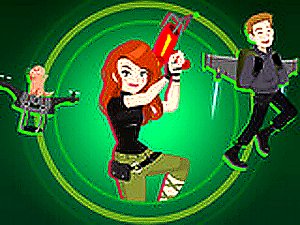
Players control a team of three characters, each with a distinct ability that is essential for overcoming obstacles. The primary objective is to guide this group through a series of interconnected areas within a familiar town setting. Success depends on switching between characters at the right moments to activate switches, reach high ledges, or access tight spaces. The game presents a steady stream of environmental puzzles that require observation and logical thinking rather than quick reflexes.
Character Roles and Abilities
Each member of the trio brings something different to the table. One character excels at moving through open spaces and interacting with larger objects. Another can reach elevated platforms that are out of reach for the others. The smallest member of the group can slip into narrow passages to disable mechanisms from the inside. Understanding when to use each character is the key to progressing through the game's chapters. The game encourages players to experiment with different combinations of actions.
World Design and Exploration
The game world is built around locations that fans of the source material will recognize, including a high school and various town landmarks. These areas are not just backdrops but are filled with interactive elements and hidden pathways. Taking the time to explore each screen thoroughly often reveals bonus items or shortcuts that make later sections easier. The design rewards curiosity and careful observation, as some solutions are not immediately obvious and require a second look at the environment.
Challenge and Difficulty Curve
The puzzles start simple, introducing one new mechanic at a time. As players progress, challenges become more complex, often requiring the coordination of two or three characters simultaneously. There are no time limits or fail states that force a restart, which makes the experience accessible for younger players. The difficulty ramp is gentle, ensuring that players of different skill levels can enjoy the adventure without feeling frustrated or bored. This design choice keeps the focus on creative problem-solving.
Visual Style and Atmosphere
The art direction captures the bright, colorful aesthetic of the original animated series. Characters and environments are rendered with clean lines and vibrant colors that appeal to a wide age range. The user interface is minimal and unobtrusive, allowing players to focus on the action. Sound effects and background music complement the on-screen events without becoming distracting. The overall presentation creates a welcoming and engaging atmosphere that supports the cooperative gameplay.
Replay Value and Collectibles
Scattered throughout the levels are optional collectibles that encourage replaying completed missions. Finding all of these items often requires using characters in ways that were not necessary for the main objective. This adds a layer of depth for players who want to see everything the game has to offer. While the core story can be completed in a few hours, the hunt for hidden items can extend the playtime significantly. This structure gives players a reason to revisit earlier areas with new knowledge.