Wildlife Helper: Learning Through Care
Reviews
Wildlife Helper succeeds where many educational games fall short: it makes learning feel like play. The rescue missions are structured but never stressful, and the panda guide provides just enough support. Children genuinely absorb lessons about empathy and biology without realizing they're studying. The lack of ads or in-app purchases is a huge plus for parents. A standout title in the kids' educational genre.
Description
Rescue Missions and Animal Needs
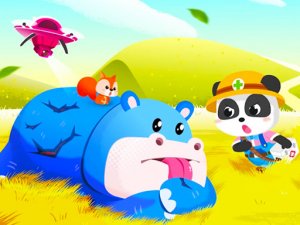
Players begin by exploring a vibrant forest to locate animals that require assistance. Each creature presents a unique set of symptoms, from minor injuries to dietary issues. The game gently guides children through observation, teaching them to identify what each animal needs. This process mirrors real-world veterinary triage, scaled for young audiences. The panda character offers hints, ensuring no child feels lost. The forest environment changes slightly with each playthrough, encouraging repeated exploration.
Medical Checkups and Treatment Steps
Once an animal is brought to the rescue station, players perform a thorough health examination. Tools like a stethoscope and thermometer appear on screen, and children click to use them correctly. After diagnosing the condition, they select the appropriate treatment from a set of options. This step reinforces logical thinking and cause-effect reasoning. The game avoids graphic depictions, focusing instead on gentle care actions like applying a bandage or giving medicine. A follow-up check ensures the animal has recovered fully.
Feeding and Habitat Return
Nutrition plays a key role in recovery. Players learn each animal's preferred foods, from berries for a bear to fish for a penguin. Feeding the correct items speeds up healing and teaches about species-specific diets. Once healthy, the player drives the animal back to its natural environment. This final step reinforces the concept of conservation and respect for wildlife. The return trip is presented as a celebratory moment, rewarding the child's effort.
Station Upkeep and Daily Routines
Maintaining a clean rescue station is part of the responsibility. Children sweep floors, wash dishes, and organize supplies. These tasks are simple and satisfying, promoting habits of cleanliness and order. The game ties each cleaning activity to the health of the animals, showing how a tidy space prevents illness. This routine element adds structure to the gameplay and teaches that care extends beyond direct treatment.
Learning Outcomes and Family Appeal
Wildlife Helper is designed to foster empathy and problem-solving in a low-pressure setting. The controls are intuitive, with large buttons and clear visual cues suitable for preschool and early elementary children. There are no time limits or failure states, allowing kids to learn at their own pace. Parents can feel confident that the content is entirely positive and educational. The game serves as a gentle introduction to biology, ecology, and social responsibility.