Apartment Lockdown Logic Challenge
Reviews
Apartment Lockdown Logic Challenge delivers a focused and rewarding puzzle experience. The single-room setting is packed with clever clues that require genuine deductive reasoning rather than random clicking. The point-and-click controls are intuitive, and the three-dimensional visuals create a believable space to explore. The timer strikes a good balance between urgency and fairness, encouraging multiple attempts to improve your approach. For a free browser game, it offers surprising depth and replay value. Recommended for anyone who enjoys a solid mental challenge during a short break.
Description
Core Puzzle Mechanics
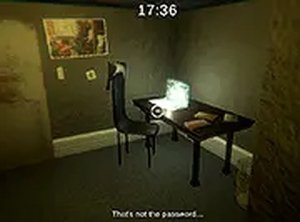
Apartment Lockdown Logic Challenge places players inside a single, intricately designed apartment space. The primary objective is straightforward: locate the exit and leave before the timer expires. However, reaching that goal requires methodical exploration. Every drawer, picture frame, and piece of furniture may conceal a vital clue or a tool needed to unlock the next step. The game rewards players who pay close attention to patterns, sequences, and subtle environmental details. Unlike some escape games that rely on random clicking, this title emphasizes genuine logical progression.
Point-and-Click Interface
The control scheme is built around simple point-and-click interactions. Players move their cursor across the three-dimensional environment, clicking on objects to inspect, pick up, or use them. An inventory system allows for collecting items and combining them when necessary. Some puzzles require applying an object to a specific location, while others demand solving a visual riddle or entering a code. The interface remains clean and unobtrusive, letting the puzzle design take center stage. This accessibility means newcomers can jump in without a steep learning curve, while experienced puzzle solvers will appreciate the streamlined interaction.
Time Pressure and Pacing
A countdown timer adds a layer of urgency to each session. The time limit is generous enough to allow thoughtful deliberation but tight enough to discourage dawdling. This creates a balanced tension that enhances focus without causing frustration. Players must decide when to investigate thoroughly and when to move on. The timer resets with each new attempt, encouraging repeated plays to improve efficiency and observation skills. This design choice keeps each playthrough feeling fresh and purposeful.
Visual Design and Atmosphere
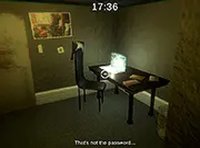
The game presents a fully three-dimensional apartment rendered with enough detail to feel immersive. Lighting, shadows, and object textures contribute to a realistic setting that grounds the puzzle experience. The visual style supports the gameplay by making clues distinguishable without being overly obvious. Players can rotate their view to examine the room from different angles, which is essential for spotting hidden compartments or connections between objects. The overall aesthetic is clean and modern, avoiding clutter that might distract from the logical challenges.
Session Structure and Replay Value
Each game session is designed to be completed in a short period, making it suitable for a quick mental break. The puzzles are structured to be fair and solvable through careful reasoning rather than luck. Because the environment and clues remain consistent, players can learn from previous attempts and develop more efficient strategies. This replayability is a core strength, as it encourages mastery and faster completion times. The game does not feature multiple levels or progressive difficulty, but the single room offers enough depth to remain engaging across several playthroughs.







Comments
0 comments