Pair Connection Puzzle Quest
Reviews
Pair Connection Puzzle Quest stands out in the crowded matching genre thanks to its spatial connection mechanic. The requirement to link tiles with no more than three straight lines forces you to think about the board layout, not just spot identical images. The level design is thoughtful, gradually introducing denser arrangements that test your pattern recognition. The limited hints and shuffles add a welcome strategic element. Combined with clean visuals and smooth browser performance, this game offers a satisfying mental workout that is easy to pick up but hard to put down.
Description
Core Matching Mechanic
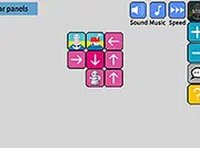
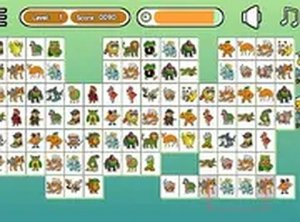
At the heart of Pair Connection Puzzle Quest lies a simple yet satisfying rule: select two identical tiles and connect them with a path that uses no more than three straight segments. The path cannot cross any other tile, which means you must think ahead about the layout. This constraint transforms a basic matching task into a spatial reasoning exercise. Each successful pair disappears from the board, gradually reducing the clutter and bringing you closer to a clean slate. The elegance of this system is that it rewards both observation and planning.
Layout Variety and Difficulty Curve
Each new level presents a different arrangement of tiles, ensuring that no two puzzles feel the same. Early boards are straightforward, with tiles placed in open patterns that are easy to connect. As you advance, the layouts become denser, with tiles positioned in ways that require more creative paths. Some boards may have tiles that are partially hidden behind others, forcing you to clear a path before you can make a match. This gradual increase in complexity keeps the game fresh without overwhelming newcomers.
Assistance Tools and Their Strategic Use
When the board seems stuck, you have two helpful tools at your disposal. Hints will reveal a valid pair of matching tiles, giving you a nudge when your eyes miss an obvious connection. Shuffles rearrange the remaining tiles, which can break a deadlock where no pairs are connectable under the path rules. Both tools are limited in quantity, so you must decide when to use them. Using a hint early might save time, but saving it for a tougher board could be more valuable. This resource management adds a layer of strategy beyond simple matching.
Timer Integration and Play Pace
A timer runs in the background, but it is designed to encourage steady progress rather than frantic speed. The pressure is mild, giving you enough time to think through each move. This design choice makes the game accessible to players who prefer a relaxed pace while still offering a gentle push to keep moving. If you take a moment to scan the board carefully, the timer will not penalize you harshly. The result is a balanced experience where thoughtful play is rewarded, but hesitation is not punished.
Visual Style and Platform Accessibility
The game features clean, family-friendly visuals with clear tile designs that are easy to distinguish. The interface is intuitive, with responsive controls that work well on both desktop and mobile browsers. No downloads or installations are required, so you can start playing immediately on any device with an internet connection. The smooth performance ensures that the game runs without lag, even on older hardware. This accessibility makes it a convenient choice for quick sessions during a break or longer play periods at home.